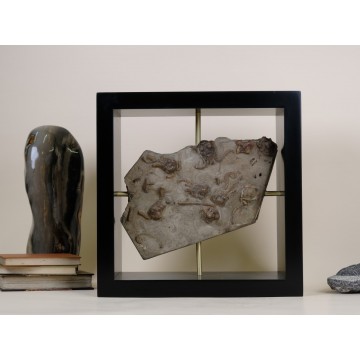
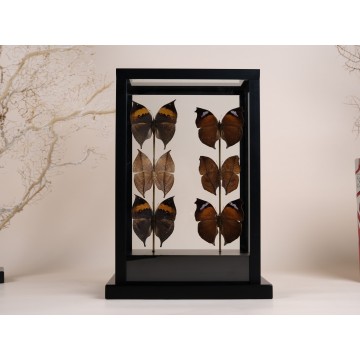
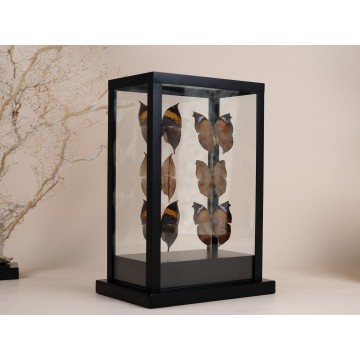
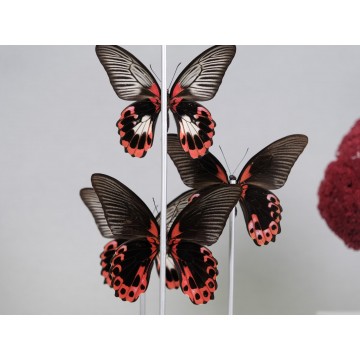
Sanaa imperialis couple frame
Sanaa imperialis is a species of bush cricket (or katydid) found in the tropical forests of South and Southeast Asia.
A beautiful pair (male and female) from Thailand in a black wood frame.
Sanaa imperialis is a species of bush cricket (or katydid) found in the tropical forests of South and Southeast Asia.
A beautiful pair (male and female) from Thailand in a black wood frame.
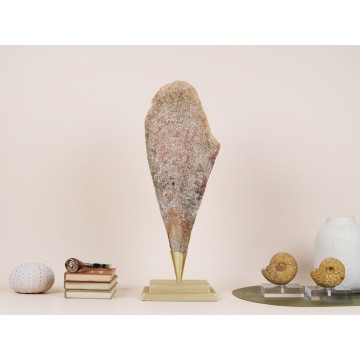
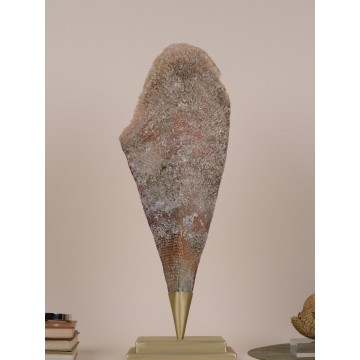
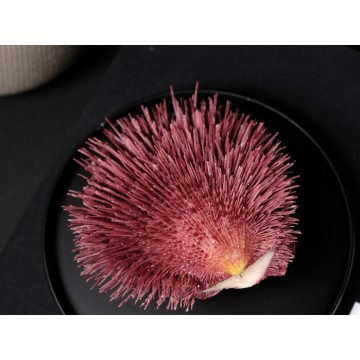
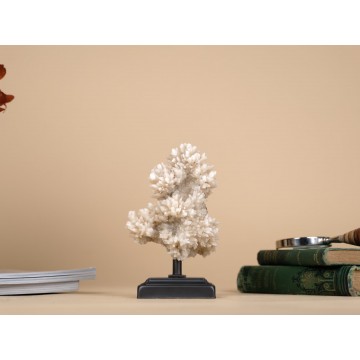
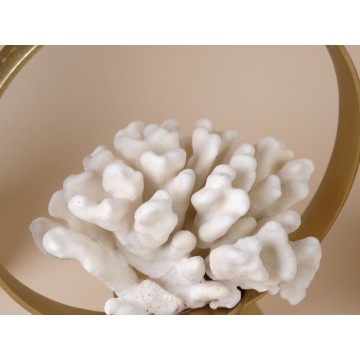
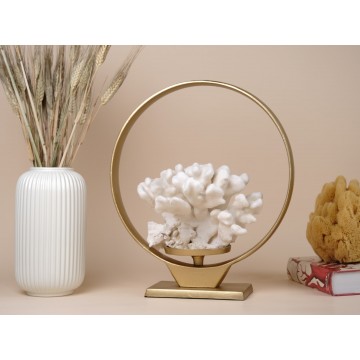
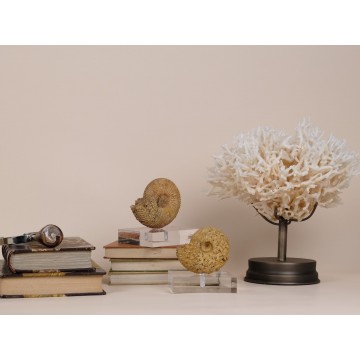
Tubastraea Micanthra, considered one of the most exquisite living corals, gracing the waters from the Red Sea to Madagascar and select Pacific regions. While those from the Red Sea and Madagascar are typically smaller, the exceptional size of the specimens from Solomon Islands sets them apart. Mounted in a handmade brass base, this extraordinary coral species is predominantly found in deep waters, making each specimen a true rarity.
It comes with the respective CITES certificate, ensuring its legal and sustainable sourcing. With its unique charm and limited availability, this coral specimen is a rare treasure that will undoubtedly become a remarkable centerpiece for any collection or decor display. Embrace the allure of Tubastraea Micanthra and add a touch of marine splendor to your space.
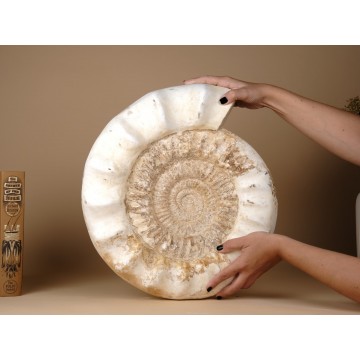
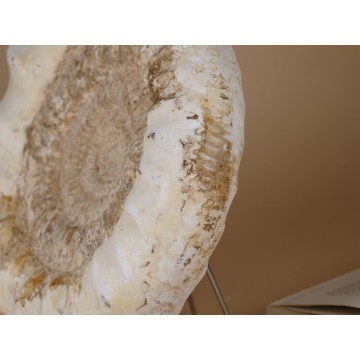
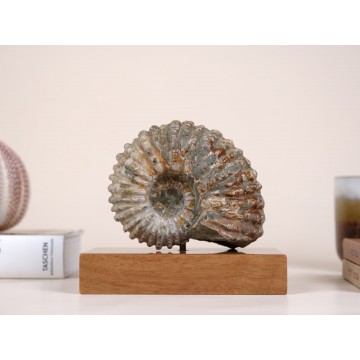
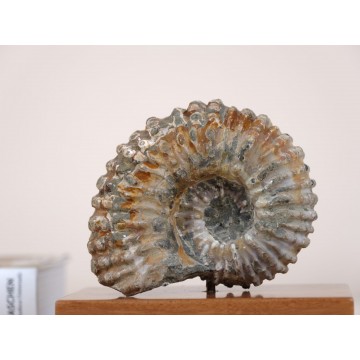
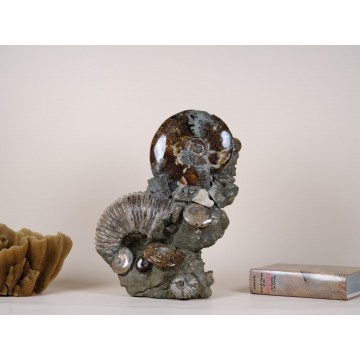
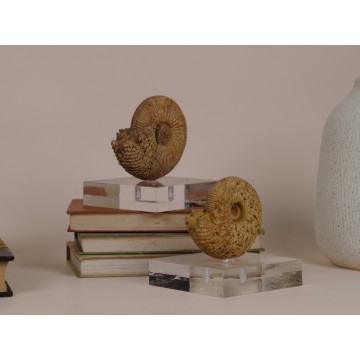
Stunning ammonite with red opalization on the surface, in a white lacquered wood base.. Ammonites were predatory mollusks that resemble the squid we know today.
These cephalopods had eyes, tentacles, and spiral shells. Ammonites are closely related to a living octopus, though the shells resemble that of a nautilus.
Every stone is unique and one of a kind. These fossils come from the Mahajanga River Basin, near the village of Ambatolafia of northwest Madagascar, located in the former province of Mahajanga/Majunga. They are dated from the Early Cretaceous period, Albian age (100 to 113.0 million years ago).
Chrysocolla and Malachite slice - showcasing a superb pattern and color from these two copper ore minerals. These formations, cut and polished, exhibit beautiful colors and patterns, making them among the finest specimens.
Originating from Kolwezi, Katanga, Democratic Republic of Congo. Mounted in a handmade dark brass base.
Gogottes, ancient sandstone concretions shaped over millions of years, are composed of minute quartz particles bound by calcium carbonate. The most exceptional examples originate from Fontainebleau, France, celebrated for its remarkably refined, porcelain-textured sands. Each of these naturally crafted mineralogical marvels assumes a distinct and unparalleled form, often reminiscent of ethereal clouds, swirling gusts, fauna, or spectral apparitions.
Mounted in a handmade dark brass base and originating from sedimentary rocks within an old phosphate quarry in Youssoufia, Morocco.
Cretaceous Albian period (100 to 145 million years) from Madagascar.
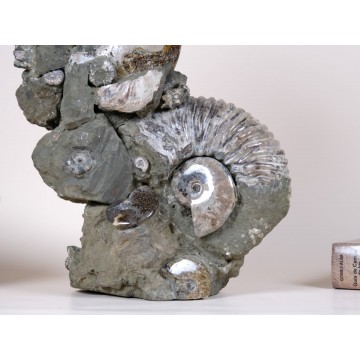
Spectacular big size opalized Cleoniceras group with other ammonite specie.
One of a kind decor piece!
These exquisite turtle sculptures are crafted from solid Suar wood by skilled artisans in Papua New Guinea, with similar styles also found in Indonesia, Irian Jaya, and New Guinea. Each piece is carved from a single block of Suar wood, showcasing the dedication and artistry of local craftsmen. To enhance their beauty, we’ve added carnelian cabochons for the eyes and delicate silver accents, transforming these sculptures into refined decorative pieces that celebrate both traditional craftsmanship and unique design.
An exceptional and pristine specimen of remarkable size and quality, displaying a rich caramel-golden hue.
Barite, a barium sulfate mineral (BaSO₄), is renowned for its high specific gravity, giving it an unusually heavy feel for a non-metallic mineral. Its striking crystal formations and warm coloration make it highly sought after by collectors worldwide. This outstanding piece originates from the famous Xiefang Mine in Jiangxi, China, and is mounted in a double black lacquered wood base.
Cretaceous Albian period (100 to 145 million years) from Madagascar.
Spectacular big size opalized Cleoniceras group with other ammonite specie.
One of a kind decor piece!
Xenophora pallidula with glass sponge attachments in glass vitrine.
This particular species sometimes can be found with some spectacular attachments, in this case a big size glass sponge among many other deep water shells.
This specimen was found in Punta Engano - Philippines in 1993 from the late Emmanuel G. de Suduiraut.
Neptun Cap Coral - Halomitra pileus in a brass handmade base, from Solomon island.
These corals are not attached to the rocks or other corals, they live free on the bottom, and usually in the shape of a helmet, but also sometimes with a flattened round shape.
Supplied with CITES certificate.
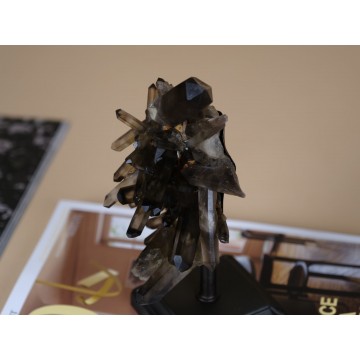
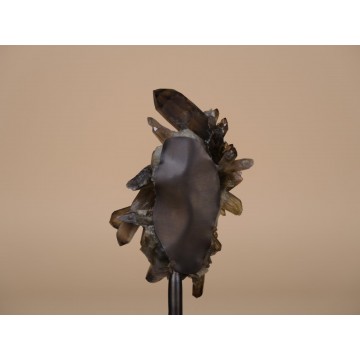
Drusa - A crystal clear group of Smoked Quartz from China.
Smoked quartz can be used to clear blocked negative energy on all levels.
This group is very aesthetic and beautiful.
Cretaceous Albian period (100 to 145 million years), from Madagascar.
Spectacular giant opalized Cleoniceras besairiei group with other ammonite species.
Fabulous display and decorative.
One of a kind piece!
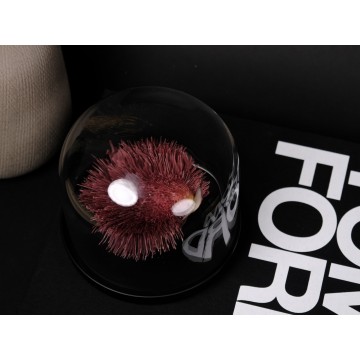
Glass dome with five Pleurotomaria hirasei.
This deep water shell was a huge rarity 20 years ago and much sought after by collectors!
Recently have been found in big quantities in South China Sea. A classic and a beautiful shell!
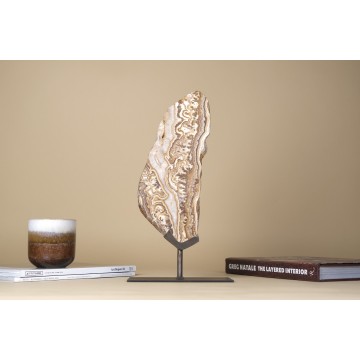
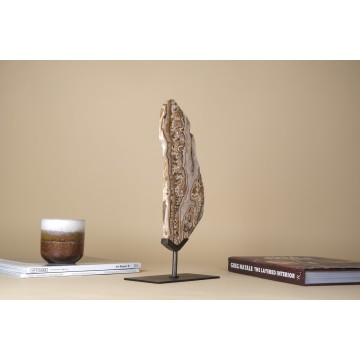
Microcline is an important igneous rock-forming tectosilicate mineral. It is a potassium-rich alkali feldspar. It is common in granite and pegmatites. Microcline forms during slow cooling of orthoclase. Microcline may be clear, white, pale-yellow, brick-red, or green; it is generally characterized by cross-hatch twinning that forms as a result of the transformation of monoclinic orthoclase into triclinic microcline.
This specimen came from Madagascar and have a unique coffee and milk colour. The polishing work is made by local people.
Crocodile Skull (Crocodylus siamensis) from a reputable crocodile farm in Thailand, supplied with its certification. This extraordinary piece, mounted on a sleek black lacquered wood base with a handmade brass support, commands attention and exudes a unique charm. With its awe-inspiring presence and impeccable craftsmanship, this crocodile skull adds an intriguing exotic touch to any space. It comes with a CITES certificate, ensuring its authenticity and responsible sourcing. Embrace the allure of this one-of-a-kind decorative treasure and get in touch with the wild side of life.
Agate egg in a black lacquered wood base.
These eggs are handmade from the local people in Madagascar.
Beautiful reddish Agate piece for your desk or shelf.
This stunning large Victorian-style glass dome showcases an exquisite collection of meticulously selected marine specimens, each with its own unique story. The arrangement features:
A Montipora sp. coral from the Solomon Islands, known for its intricate structure and natural beauty.
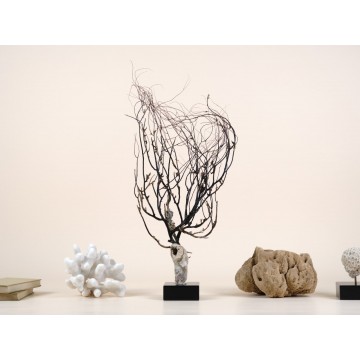
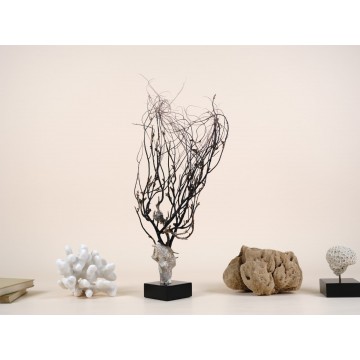
A striking black gorgonian coral from Indonesia, adding dramatic elegance to the display.
A superb Dardanus megistos hermit crab, housed in a Tonna perdix shell, from Palawan Island, Philippines.
A rare Pleucocidaris verticillata sea urchin from Bohol Island, Philippines, with its distinctive spiny form.
A remarkable brittle star, Ophiolepis superba, from Sandigan Island, Philippines.
Three vivid Clanculus puniceus shells from Palawan Island, Philippines, with their vibrant, intricate patterns.
A delicate Argonauta hians (paper nautilus) from Indonesia, a true marvel of the ocean.
Beautifully curated and arranged, this dome captures the elegance and diversity of marine life, making it a truly unique and sophisticated centerpiece for any interior
Rainbow Banded Fluorite crystal in its natural form.
The colouring of these stones ranges from yellow, through green to purple with the natural banding showing. There may be some matrix (bed rock) attached and some natural staining. This stone stabilizes the emotions and increases self-confidence.
From Deqing Fluorite Mine in Zhejiang Province -China- this piece has perfect layers of purple and transparent, mounted in a handmade brass base.
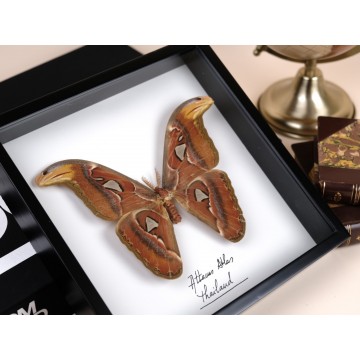
Attacus atlas or Atlas moth - a couple (male and female), from Thailand, in a black wood frame.
The Atlas moth is one of the largest lepidopterans, with a wingspan measuring up to 24 cm (9.4 in). As in most Lepidoptera, females are noticeably larger and heavier than males, while males have broader antennae. Both forewings have a prominent extension at the tip, with markings that resemble the head of a snake, a resemblance which is exaggerated by movements of the wings when the moth is confronted by potential predators.Their habitat is primarily dry tropical forests, secondary forests, and shrublands across South Asia, East Asia, and Southeast Asia, including Borneo.
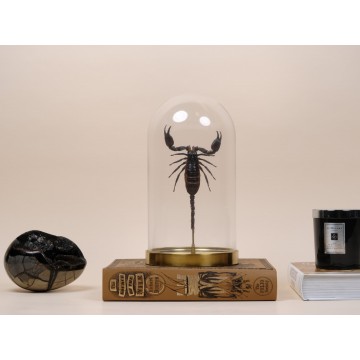
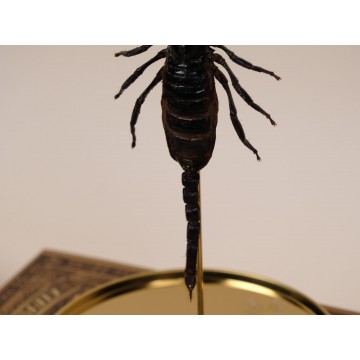
Heterometrus laoticus - Vietnam Forest Scorpion is a scorpion species found in peaty areas of Vietnam and Laos. They can reach lengths of up to 17 cm. They are a communal species, but cannibalism has been known to occur, and if caught, they can be extremely violent even towards their own kind.
Rather than being a lethal toxin, the giant scorpion's venom is paralytic. The venom is distilled into medicines against various kinds of microorganisms. It exhibits good results in disc diffusion assay for Bacillus subtilis, Klebsiella pneumoniae, Pseudomonas aeruginosa, and Staphylococcus aureus, among others.
The scorpion is farmed for consumption as a novelty food in Vietnam and Thailand. They are also used to make snake wine (scorpion wine).
This one is from a farm in thailand, mounted in a glass dome.
A superbly shaped and highly aesthetic Quartz cluster from the Huanggang Mine, Hexigten Banner, Inner Mongolia, China. This large, top-class decorative piece is also a highly prized collector’s specimen from this sought-after locality.
Often referred to as the "Universal Crystal," Quartz is valued for its versatility and benefits in manifestation, healing, meditation, protection, and channeling. Known for its balancing properties, it helps harmonize and stabilize one's environment and is believed to enhance romantic relationships.
Mounted in a handmade dark brass base.
This stunning Victorian-style table tray features two large valves of Pecten subnodosus, a species of scallop commonly known as the Giant Lion's Paw. Native to the Pacific and Gulf of California coasts of the Baja California Peninsula, Mexico, extending southward to the western coast of Peru. These specimens originate from Baja California, USA. This species is edible.
Mounted in a Victorian style with one Carnelian cabochon and four Amethyst cabochons, all set in a handmade dark brass base.
Heterometrus laoticus - Vietnam Forest Scorpion is a scorpion species found in peaty areas of Vietnam and Laos. They can reach lengths of up to 17 cm. They are a communal species, but cannibalism has been known to occur, and if caught, they can be extremely violent even towards their own kind.
Rather than being a lethal toxin, the giant scorpion's venom is paralytic. The venom is distilled into medicines against various kinds of microorganisms. It exhibits good results in disc diffusion assay for Bacillus subtilis, Klebsiella pneumoniae, Pseudomonas aeruginosa, and Staphylococcus aureus, among others.
The scorpion is farmed for consumption as a novelty food in Vietnam and Thailand. They are also used to make snake wine (scorpion wine).
This one is from a farm in thailand, mounted in a frame.
Beautiful marine composition, looking like big mushrooms, made with shark vertebrae and white knobbed sea urchins, all from Madagascar in a natural walnut wood base.
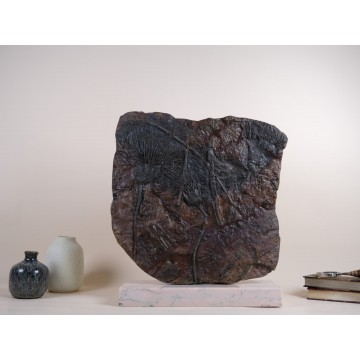
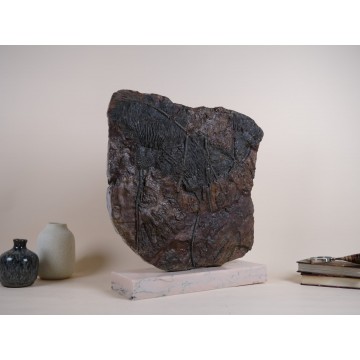
Nautiloid Fossil: Cymatoceras sp. – a remarkable specimen hailing from the Cretaceous-era formations of Mahajanga Province, Madagascar, dating back approximately 130 million years. This fossilized treasure is a testament to the enduring beauty of nature's craftsmanship, showcasing the intricate layers of Calcite in stunning detail.
Cymatoceras sp., a member of the Nautilidae family, offers us a glimpse into the ancient oceans of our planet. These creatures, reminiscent of modern squids with their distinctive shells, first emerged during the Late Triassic period and continue to thrive in our oceans today. This polished Nautiloid fossil serves as a captivating window into the distant past, where the mysteries of prehistoric life are etched in stone for us to marvel at and contemplate.
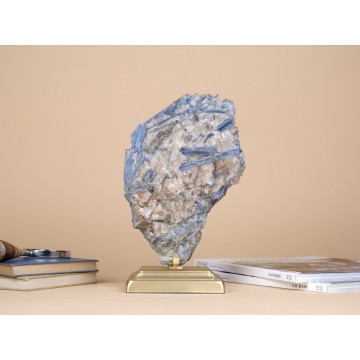
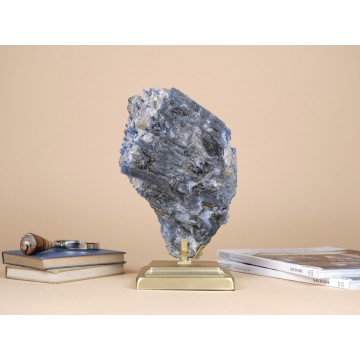
Kyanite, an aluminosilicate mineral, typically graces us with its mesmerizing blue hues. This mineral is often derived from the Greek words 'kyanos' or 'kuanos,' both meaning 'dark blue,' which aptly describes its captivating coloration.
Kyanite finds its origins in aluminum-rich metamorphic pegmatites and sedimentary rock formations. Beyond its inherent beauty, this mineral serves as a valuable resource, playing a pivotal role in the creation of ceramics and abrasives. Geologists treasure Kyanite as an essential index mineral, using it to delineate metamorphic zones and unravel the Earth's geological history.
In addition to its industrial applications, Kyanite reveals its softer, more enchanting side in the world of jewelry. Exceptional specimens yield exquisite gemstones that adorn the finest jewelry pieces, adding a touch of natural elegance to the wearer's style.
This particular specimen boasts oversized and flawless Kyanite crystals set within a matrix of quartz. It hails from the enchanting region of S. José da Safira, Minas Gerais, Brazil, known for producing some of the world's most remarkable mineral treasures. Whether admired for its geological significance, its potential as a gemstone, or simply its sheer beauty, this large Kyanite crystal cluster mounted in a handmade dark brass base, is a testament to the wonders of our natural world.

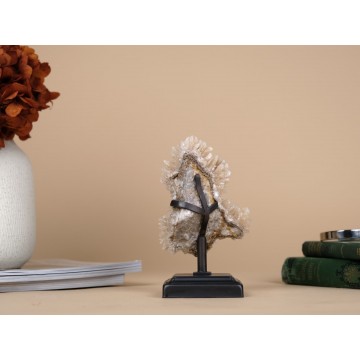
A truly striking and rare specimen, featuring vivid pink to red quartz crystals delicately grown over a matrix of shimmering chalcopyrite. This unique combination of minerals is highly sought after by collectors for both its color contrast and crystal quality.
Originating from the renowned Huanggang Mine in Keshiketeng Qi, Chifeng, Inner Mongolia (China), this piece stands out as a natural marvel — both mineralogically and aesthetically.
Mounted in a handmade dark brass base, it's an extraordinary fusion of geology and elegance.
Polished Jasper Polychrome with beautiful color shades, from Madagascar.
Known as free-form, every piece is "one of a kind", polished by hand from nature.
Placed into a decoration it enhances harmony!
The Anglerfish, scientifically known as Lophius piscatorius and commonly referred to as the European angler or common monkfish, belongs to the family Lophiidae. This unique species inhabits coastal waters spanning from the Barents Sea to the Strait of Gibraltar, encompassing regions such as the Mediterranean and the Black Sea. Notably, within certain areas of its range, such as the Irish Sea, the European angler supports a significant commercial fishery.
This exquisite taxidermy specimen showcases the intricate details of the Anglerfish, including its distinctive two rows of teeth and elusive nature. Mounted within a glass dome, this display piece serves as a captivating tribute to the enigmatic beauty of this remarkable marine species.
Turbo marmoratus, from Indonesia, mounted in a handmade work in brass.
Known as the Green Turban, the Marbled Turban or Great Green Turban, is a large species of marine gastropod with a thick calcareous operculum in the family Turbinidae, the turban snails. The shells of these large sea snails have a very thick layer of nacre; this species has been commercially fished as a source of mother of pearl.
One of a Kind decor piece!
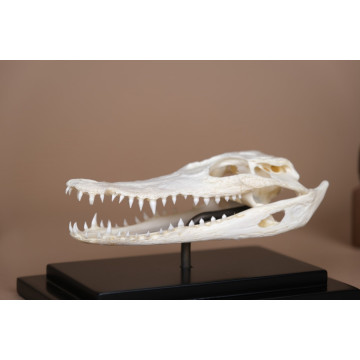
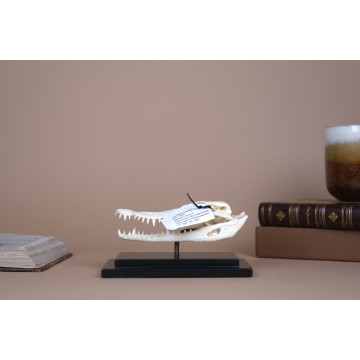
This juvenile skull of Crocodylus siamensis (Schneider, 1801) comes from Thailand, where extensive conservation breeding programs have played a key role in recovering this once critically endangered species. Historically, the Siamese crocodile ranged across Indonesia (including East Kalimantan), Laos, Cambodia, Thailand, and Vietnam. Its populations had been severely reduced and extirpated from many areas, but controlled breeding—especially in Thailand—has allowed the species to rebound, with many individuals now reintroduced into the wild.
All specimens of this species are strictly regulated and each one is issued an individual CITES certificate to ensure legal and responsible trade.
This skull is mounted in a black lacquered wood base, creating a clean and elegant display piece.
Gogottes, ancient sandstone concretions shaped over millions of years, are composed of minute quartz particles bound by calcium carbonate. The most exceptional examples originate from Fontainebleau, France, celebrated for its remarkably refined, porcelain-textured sands. Each of these naturally crafted mineralogical marvels assumes a distinct and unparalleled form, often reminiscent of ethereal clouds, swirling gusts, fauna, or spectral apparitions.
Mounted in a handmade dark brass base and originating from sedimentary rocks within an old phosphate quarry in Youssoufia, Morocco.
Phacops sp. from the Middle Devonian period ( 395 million years ) of the Djebel Issoumour area, Atlas Mountains - Morocco.
Prepared and restored, excellent for beginner collectors or as decor piece, in a black lacquered wood base.
Amethyst Quartz crystal cluster, featuring generously sized crystals with a captivating and deep lilac color, it showcases the mesmerizing allure of nature's gemstones. Amethyst is a type of quartz, and its color results from the presence of iron and other trace elements. Its stunning hue is often associated with qualities like calmness, spirituality, and inner peace. In metaphysical circles, amethyst is believed to have a soothing and protective energy that can help alleviate stress, enhance intuition, and promote emotional balance. Each crystal within the cluster boasts a stunning and well-defined form, displaying a remarkable aesthetic appeal that is sure to captivate the beholder. The combination of their size, color, and shape creates a truly breathtaking display that exudes elegance and sophistication. Sourced from the renowned amethyst mines of the municipality of Ametista do Sul in the state of Rio Grande do Sul, Brazil, this crystal cluster is a testament to the unparalleled quality and richness of the region's geological treasures.
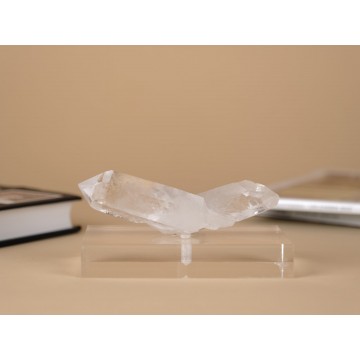
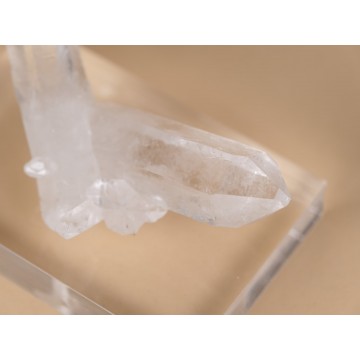
Hyaline Quartz sourced from the renowned Hot Springs in Arkansas, USA. Known for producing exceptional specimens, Hot Springs is celebrated for its exquisite Hyaline Quartz formations. This particular group exemplifies both aesthetic beauty and natural elegance.
Meticulously mounted on a handmade dark brass base, this Hyaline Quartz cluster becomes a captivating centerpiece, showcasing the harmonious fusion of artistry and nature. Its inherent decor quality elevates any space, making it a standout addition to your collection or interior design project.
In addition to its captivating visual appeal, Hyaline Quartz possesses metaphysical properties that have fascinated and attracted individuals for ages. Embrace the profound energy and subtle vibrations of this unique crystal, bringing a sense of clarity, balance, and serenity into your environment.
Quartz can be identified by its formation of crystal points covered by small terminations pointing towards the main point which, when viewed from above look like the diamond skin of a pineapple.
A mysterious crystal, it brings light into dark places and provides enlightenment and truth to the bearer. It is a high vibration crystal but its energy is very gentle perfect for purifying and rebalancing the Heart Chakra.
Milky, cool and seriously magic.
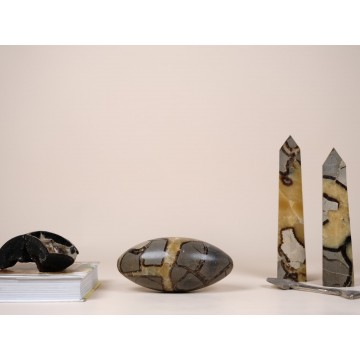
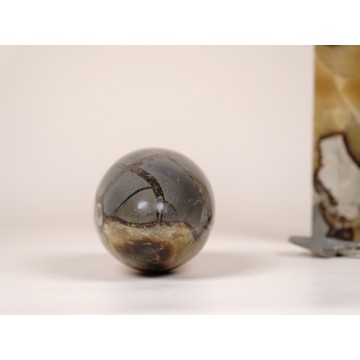
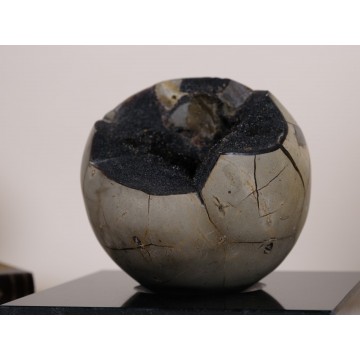
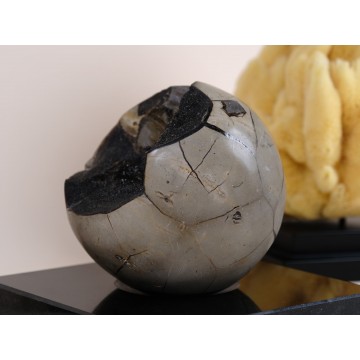
This beautiful polished septarian egg, from Madagascar, shows its interior crystallization in contrast with exterior colors.
Septarias are prehistoric marine nodules of bio sedimentary origin followed by dehydration during diagenesis, which today are found as large pebbles in clay soil. The creation of a Septarian is a succession of events along millions years, they form around a core of organic matter (plant or animal).
Sediments continue to settle on the nodule, compacting it under their weight which will flatten it and expel water, while inside micro-cracks begin to form, amplified by tectonic movements. It is in these shrinkage slots that over time dissolved minerals will crystallize.
Its name comes from the Latin "septum" which means partition, barrier, indeed, the polishing of the nodule reveals and sublimates its elegant marbling of black calcite, millions of years that offer these sumptuous minerals, each piece is unique!
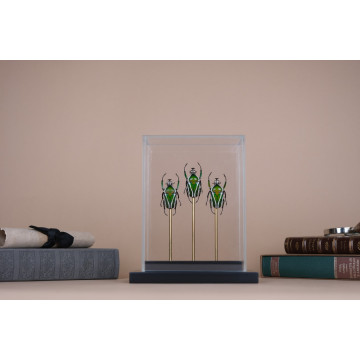
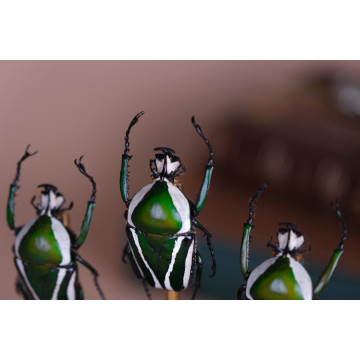
Dicronorhina derbyana layardi, or Derby's flower beetle, is a sub-Saharan species of flower chafer. These beetles are among the most attractive in the world, known for their intricate patterns and beautiful metallic colors. This customized glass vitrine contains three selected males, all reaching the maximum size of around 50 mm, showcasing superb color and quality. They are from the Kafue River in Zambia.
The Porcupine or Balloon Fish, scientifically known as Diodon hystrix, is a fascinating creature of the sea. These timid creatures tend to retreat if approached by divers, showcasing their cautious nature. They possess the unique ability to secrete a toxic skin substance, rendering them poisonous, although they have been consumed in regions such as Hawaii and Tahiti.
In Oriental cultures, dried and inflated bodies of porcupine fish are sold as tourist novelties, while in some Pacific islands, their dried skins were historically used as war helmets. Despite their potential toxicity, porcupinefish are also prized additions to private and public aquariums, admired for their intriguing appearance and behavior. However, they are not typically targeted for human consumption.
This beautiful specimen, originating from the Philippines and mounted in an iron ase, is meticulously preserved and represents a non-CITES species, making it a valuable addition to any collection.