Sponge species
Availability: 1 In Stock
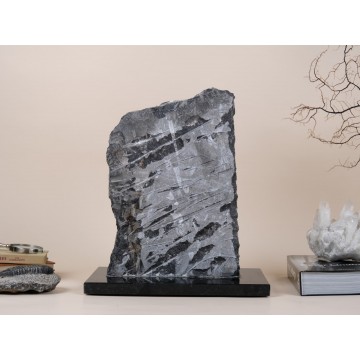
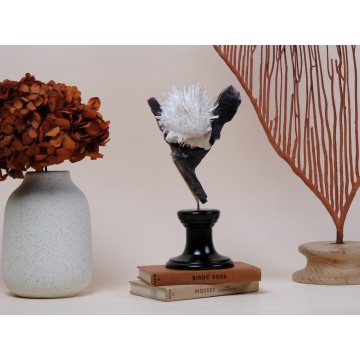
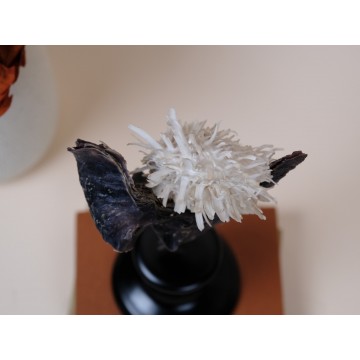
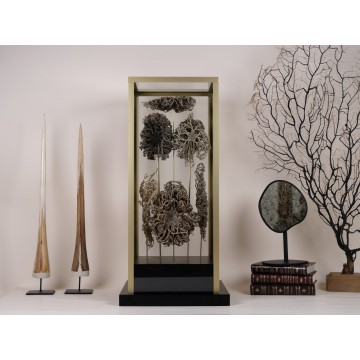
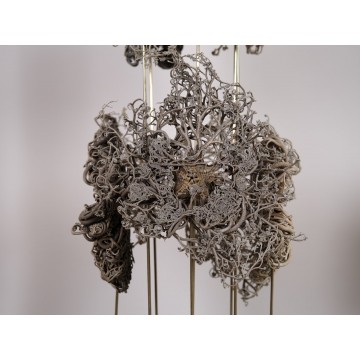
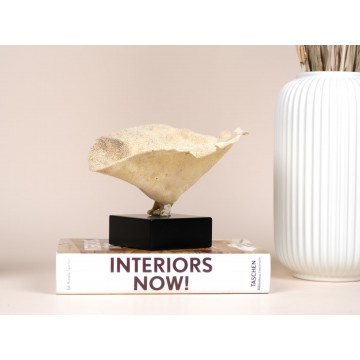
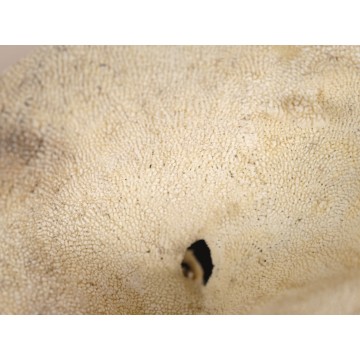
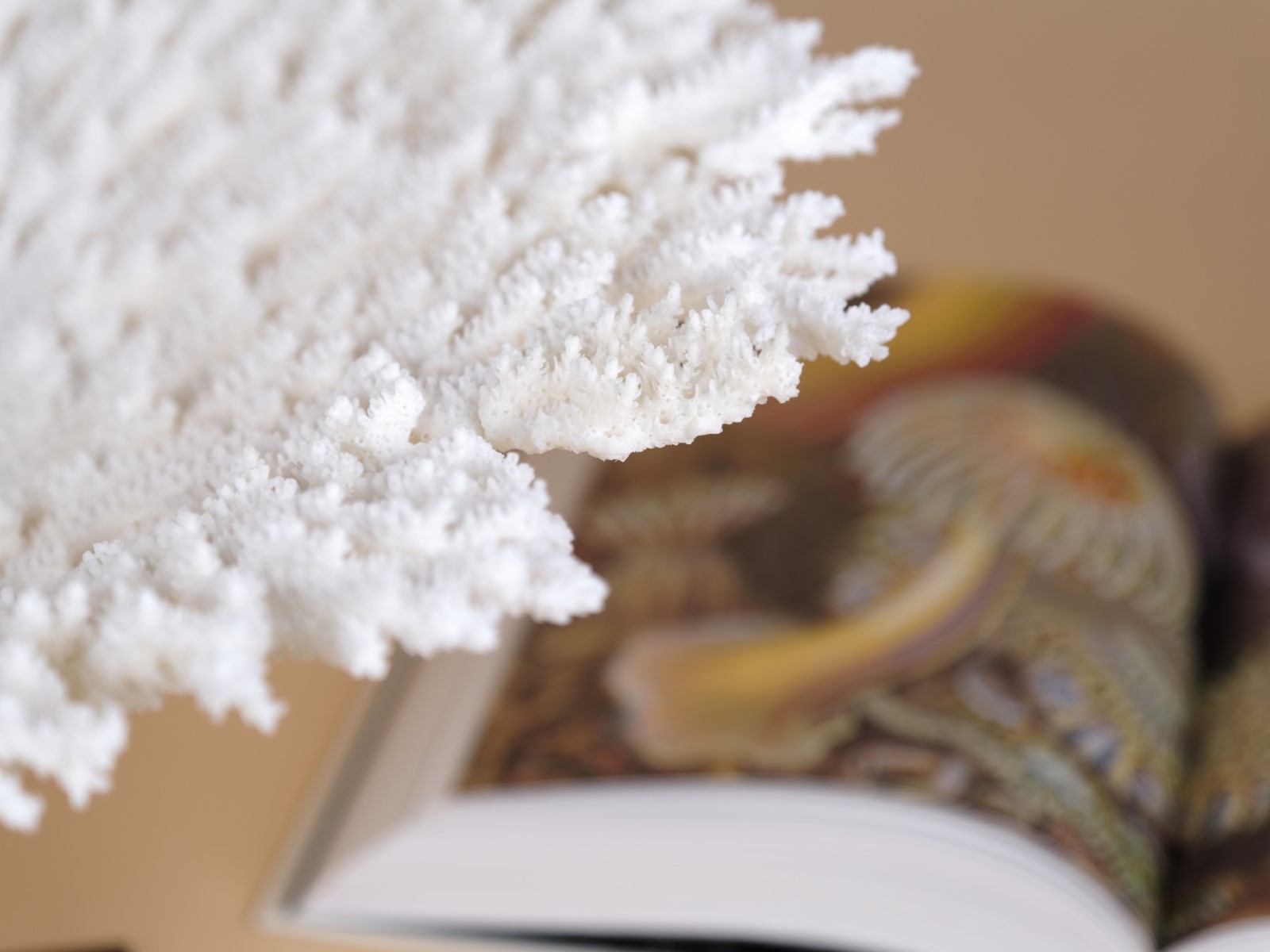
Sponge species from Madagascar reefs, mounted in a black lacquered wood base.
Sponges are beautiful decor items, due to its different shapes and colours.
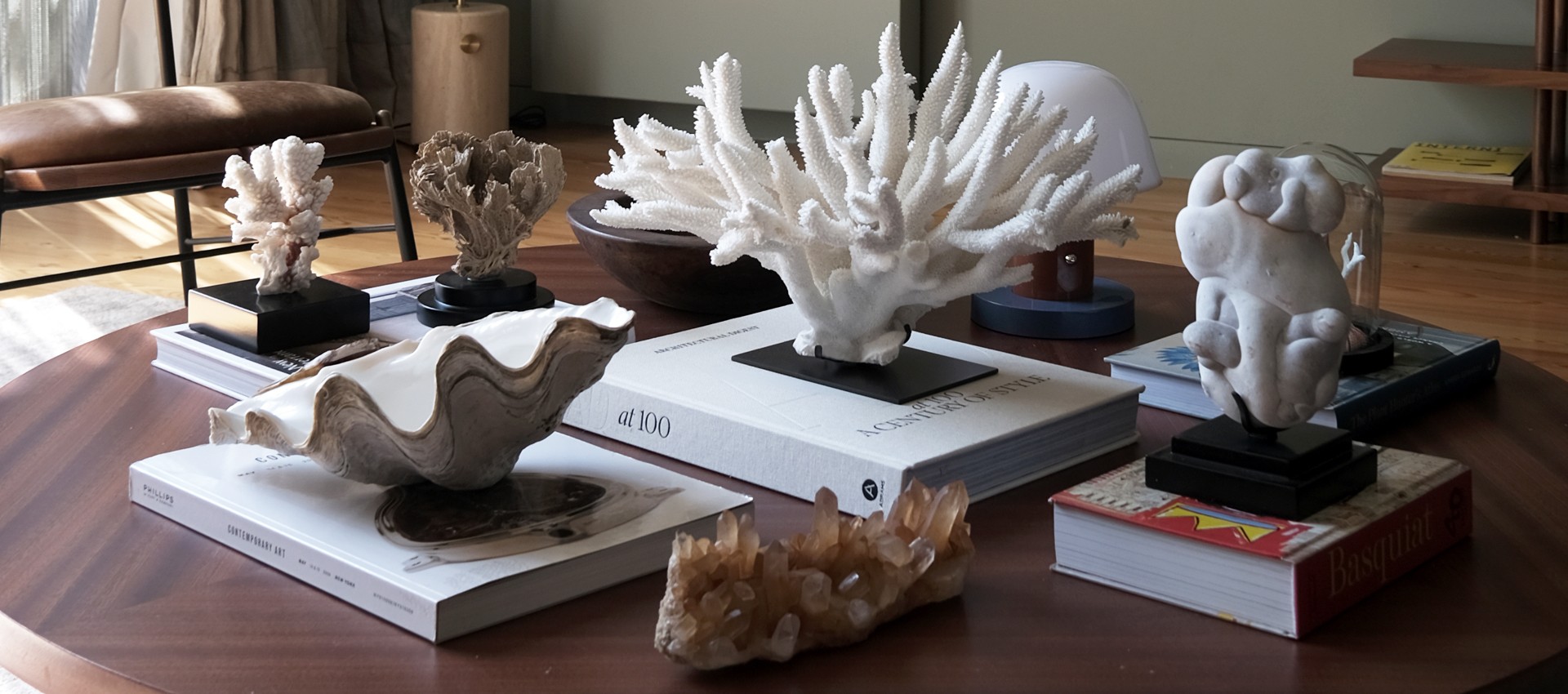
Sponge species from Madagascar reefs, mounted in a black lacquered wood base.
Sponges are beautiful decor items, due to its different shapes and colours.
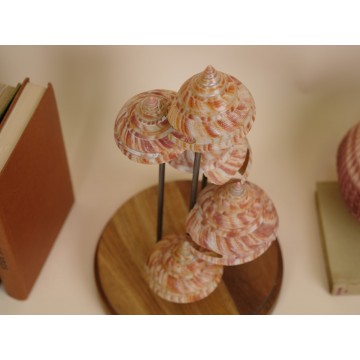
Glass dome with five Pleurotomaria hirasei.
This deep water shell was a huge rarity 20 years ago and much sought after by collectors!
Recently have been found in big quantities in South China Sea. A classic and a beautiful shell!
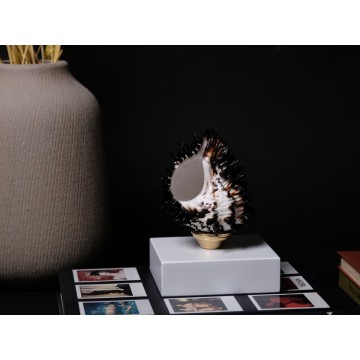
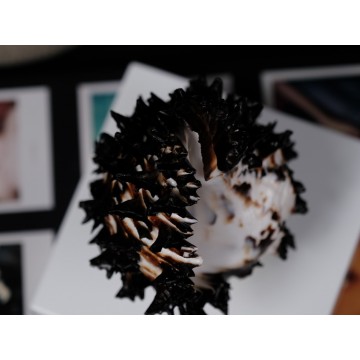
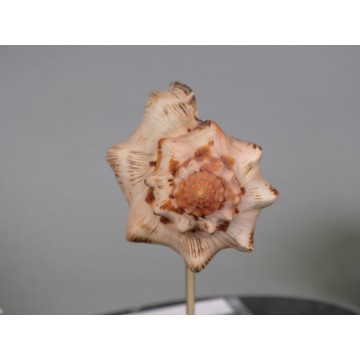
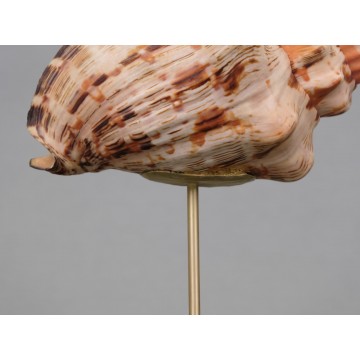
Beautiful Hexaplex nigritus from Mexico, always a very elusive shell, make a curious decor item.
Mounted in a brass and white lacquered wood base.
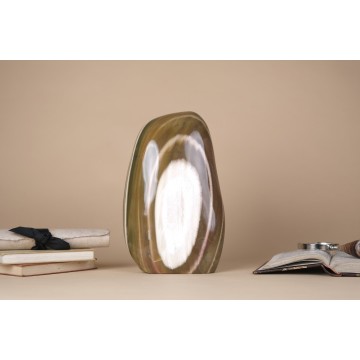
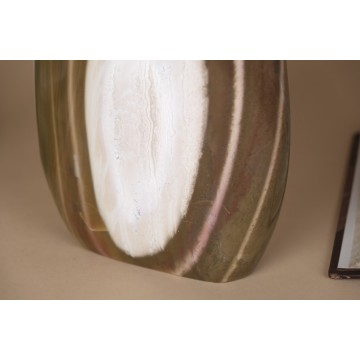
A large polished piece showcasing vibrant colored bands in a beautiful composition. Madagascar is renowned for producing some of the finest Jasper qualities, and this specimen originates from the Northern provinces of the country. Some of these varieties are exclusive to Madagascar. The polish is meticulously done by local artisans, often in free forms to retain the maximum weight of the original stone.
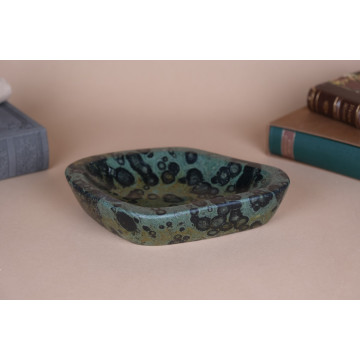
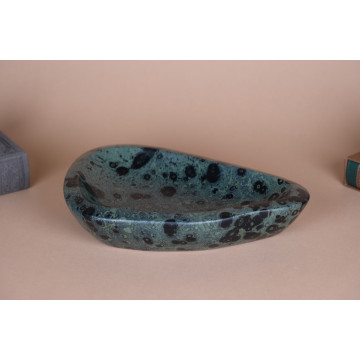
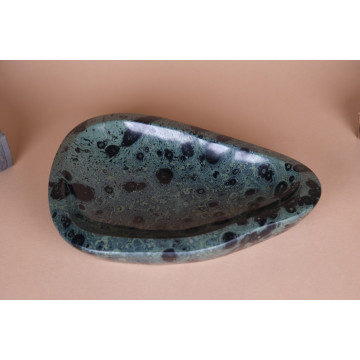
Kambamba Jasper bowl, from Kambamba – Madagascar.
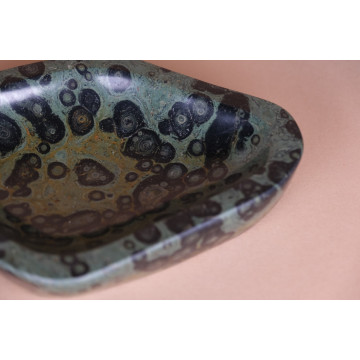
Spectacular green and black eyes pattern with “swirling” colours it is a very sought piece! Kambamba Jasper, also known as Kambamba Stone, Crocodile Jasper or Green Stromatolite Jasper - due to its colour and pattern - is an extremely old stone dating back to 3 billion years ago.
Nowadays it is considered a fossil classified as a stromatolite because of the fossilised algae that created this mineral.
Kambamba is a very energizing stone which activates our root and heart chakras, achieving an emotional balance throughout the day.
One of a Kind piece!
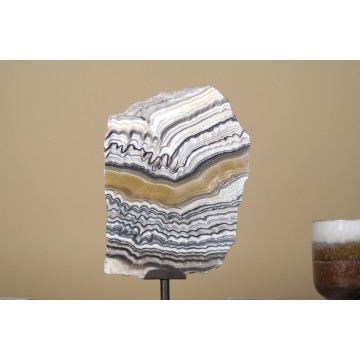
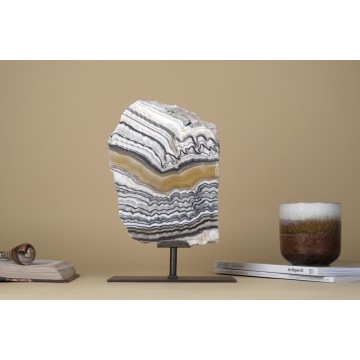
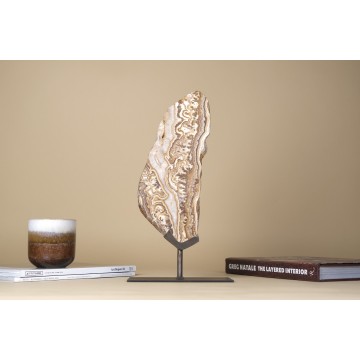
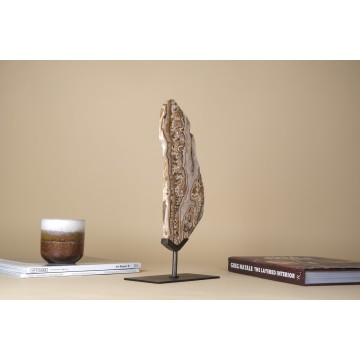
This Zebra Calcite slice showcase outstanding patterns and colors, formed through the metamorphic process that creates the unique calcite layers. The result is highly desirable pieces, superbly sliced to reveal beautiful patterns and translucent layers.
Sourced from Santa Eulalia, Mexico, these slices are elegantly displayed on a handmade dark brown brass base.
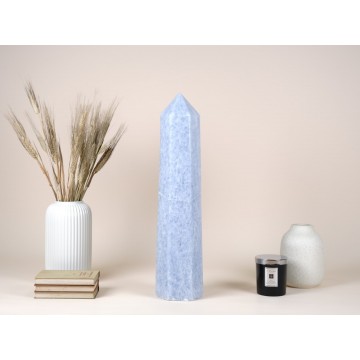
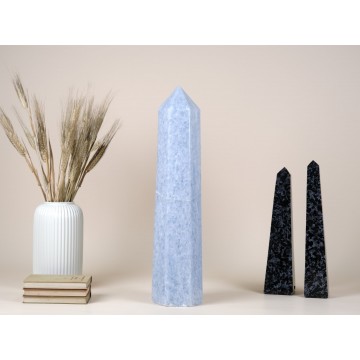
This is a beautiful, polished blue calcite giant obelisk from Madagascar.
It has been polished to a glossy finish to highlight the attractive blue color of the mineral. This blue calcite was mined from the Norcross-Madagascar blue calcite fields. This type of calcite likely occurred as a massive conglomerate, formed from mineral rich water solidifying following accumulation as flowstone and/or through precipitative processes.
One of a Kind piece!
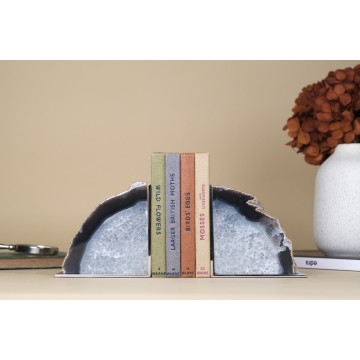
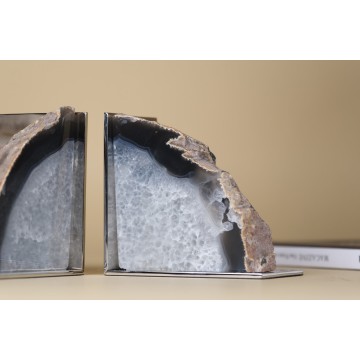
Discover the exquisite beauty of our Agate Geode Bookends, from Rio Grande Sul - Brazil. Each geode has been specially selected for its vibrant colors and intricate patterns, making every piece a unique work of art. Mounted in a nickel-finished brass accents, these bookends are a high-class addition to your shelf.
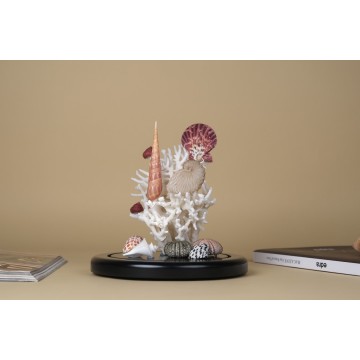
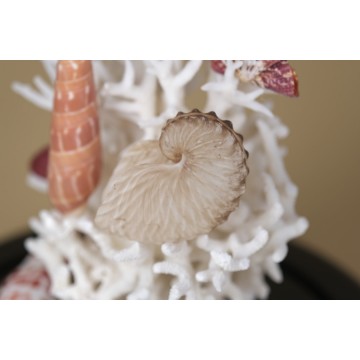
A stunning medium-sized marine life glass dome featuring a meticulously curated selection of ocean treasures. At the heart of the piece is a Seriatopora hystrix coral from the Solomon Islands, surrounded by a fascinating array of seashells and marine specimens: an Argonauta hians (paper nautilus), Mitra mitra (bishop’s miter), Pecten pallium (scallop), Terebra dimidiata (auger shell), 2 Nerita textilis, and 2 Clanculus puniceus from the Philippines, as well as a Tachiacteria mirabilis, the remarkable Japanese wonder shell, from Japan. The dome is completed with vibrant orange and green sea urchins from Madagascar.
The harmonious blend of color, form, and texture creates a striking visual contrast, making this dome an exceptional decor piece that evokes Victorian-era "Cabinets of Curiosities."
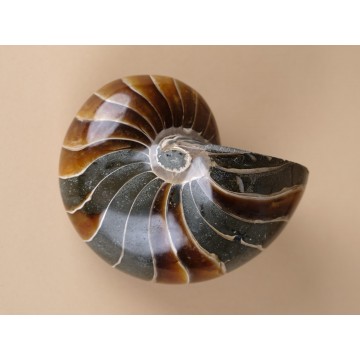
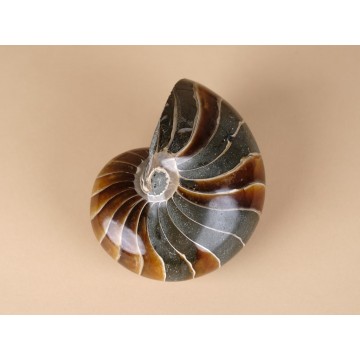
Nautiloid Fossil: Cymatoceras sp. – a remarkable specimen hailing from the Cretaceous-era formations of Mahajanga Province, Madagascar, dating back approximately 130 million years. This fossilized treasure is a testament to the enduring beauty of nature's craftsmanship, showcasing the intricate layers of Calcite in stunning detail.
Cymatoceras sp., a member of the Nautilidae family, offers us a glimpse into the ancient oceans of our planet. These creatures, reminiscent of modern squids with their distinctive shells, first emerged during the Late Triassic period and continue to thrive in our oceans today. This polished Nautiloid fossil serves as a captivating window into the distant past, where the mysteries of prehistoric life are etched in stone for us to marvel at and contemplate.
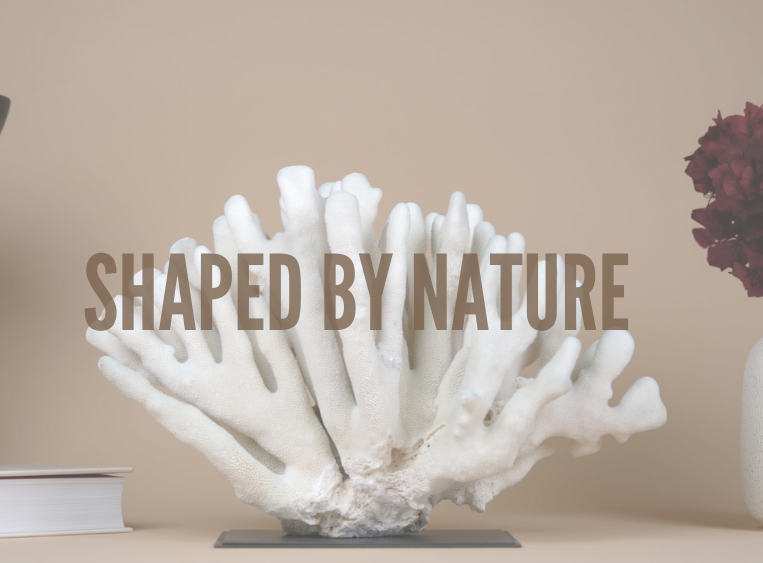
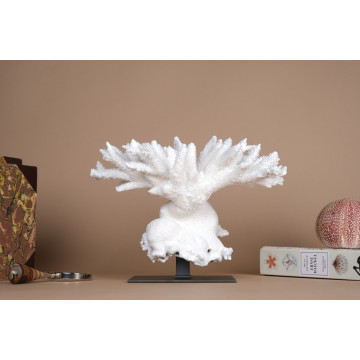
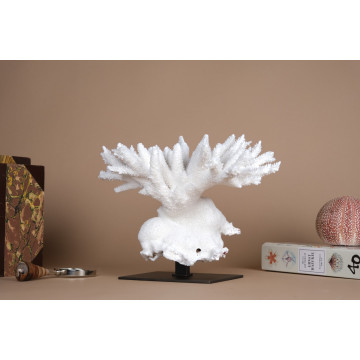
Acropora nobilis coral, also known as the Noble Branch coral in a handmade dark brass base. This specimen is one of the most beautiful corals, in cream natural color with cylindrical branches developed horizontally with radial corallites in mixed sizes. It is a protected species like all corals, supplied with respective CITES certificate, from Solomon Islands.
This unique and one-of-a-kind natural masterpiece is an ideal addition to elevate your home décor.
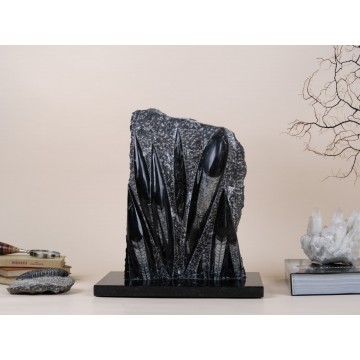
Polished Orthoceras slab fossil with over 400 million years.
As these forms of prehistoric squid were covered in ocean sediments prior to fossilization, the majority of the creatures will be facing in the same relative position, having been lined up by currents on the sea floor prior to being buried. The fossils are exposed and given a high polish to better view the creatures from their surrounding matrix.
The slab features very high relief as well as dramatic texture and detail they had tentacles and ink sacs, much like present-day squid. Except for belemnites, cephalopods had external shells with hollow internal chambers separated by walls called septa. Devonian period, circa 410 million years, Anti-Atlas Mountains - Southern Morocco - mounted in a black granite base.
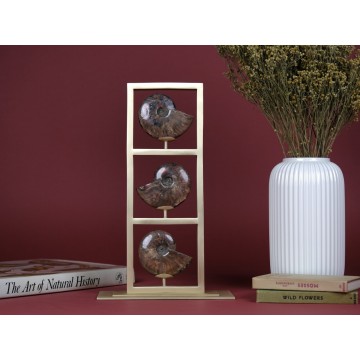
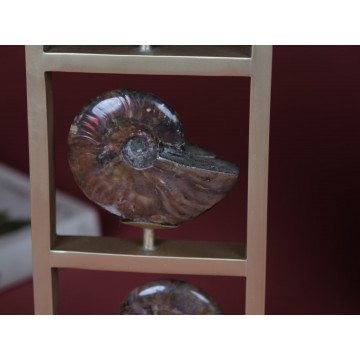
Handmade brass display with three Opalized Ammonites from Madagascar fields, Albian Period (100–140 million years old). When opalized can be also called as Ammolite is an opal-like organic gemstone found in various placed in the North America and Madagascar. Ammolite is made of the fossilized shells of ammonites, which in turn are composed primarily of aragonite. The microstructure of the mineral is inherited from the shell.
It is one of few biogenic gemstones. Other more commonly known biogenic gemstones include amber and pearl. Ammolite was officially recognised as gemstone species in 1981. Ammolite “opalization” is a term used to express the similarity between the two minerals due to the spectrum of colours it displays. Usually red and green, whilst, blue or purple are rare due to the latter's fragility.
A unique One of a Kind signature piece.
This exquisite display features the skeleton of the Raja miraletus Linnaeus, 1758, commonly known as the Brown Ray. This edible species is fished in the Mediterranean Sea and the Eastern Atlantic Ocean, ranging from northern Portugal and throughout the Mediterranean, down to Madeira and South Africa. The Brown Ray typically inhabits marine saltwater and brackish environments, living along the soft bottoms of the sea floor. It is considered harmless to humans.
When marketed for human consumption, the Brown Ray is usually sold fresh. The preparation of its skeleton is a testament to skilled craftsmanship, as rays are particularly challenging to prepare. This stunning piece, originating from the Mediterranean Sea, is elegantly presented in a black wood frame, making it a unique and beautiful addition to any collection.
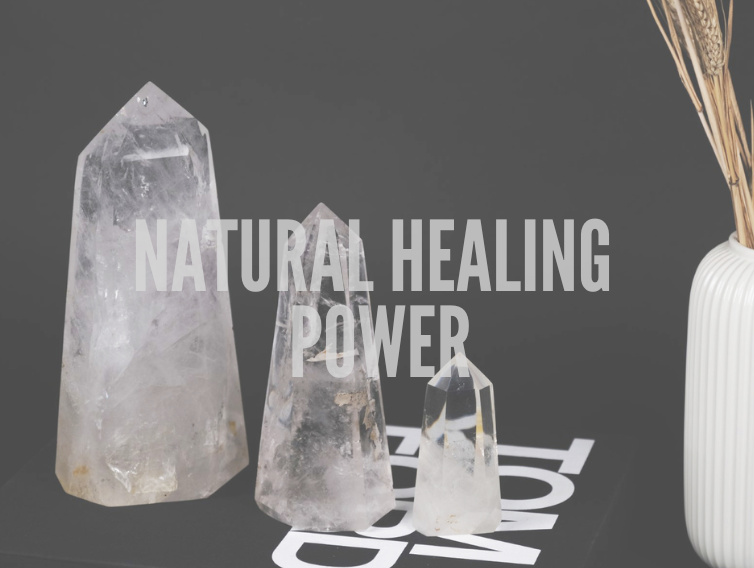
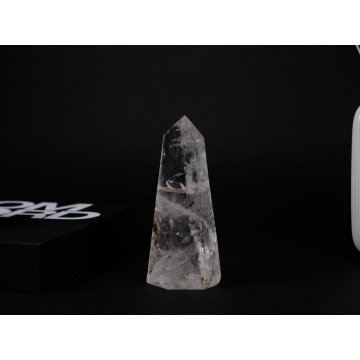
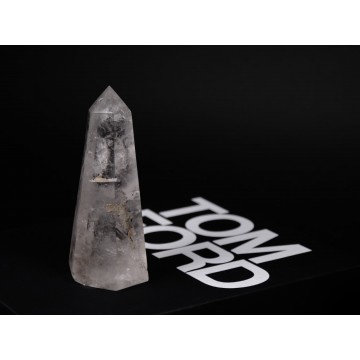
Clear Quartz point healing wand - Clear Quartz is also known as Crystal Quartz or Rock Crystal.
It is a natural form of silicon dioxide. This is from Madagascar.
Clear Quartz is known as the "master healer" and will amplify energy and thought, as well as the effect of other crystals.
Clear Quartz draws off negative energy of all kinds, neutralizing background radiation, including electromagnetic smog or petrochemical emanations.
It balances and revitalizes the physical, mental, emotional and spiritual planes.
Cleanses and enhances the organs and subtle bodies and acts as a deep soul cleanser, connecting the physical dimension with the mind.
Chakras - Crown Chakra;
Birthstone – April;
Zodiac - All birth signs;
Planet – Sun;
Element – All (Earth/Fire/Air/Water);
Vibration - Number 4;
Typical colors - Pure Quartz is colorless or white.
A spectacular Spondylus variegatus attached in a Malleus malleus shell from Davao - Philippines, in a black lacquered wood pedestal.
This is a uncommon attachment that came out by divers from time to time.
The two shells live in perfect symbiosis.
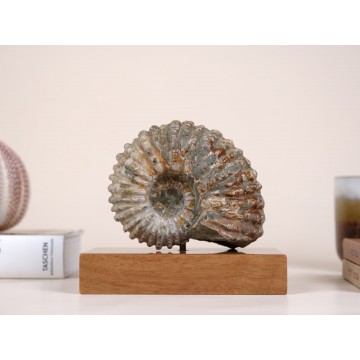
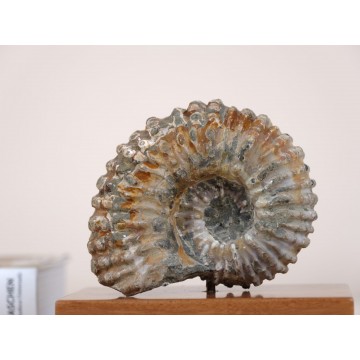
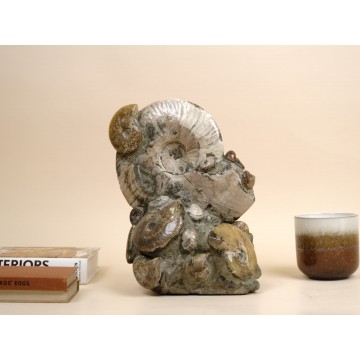
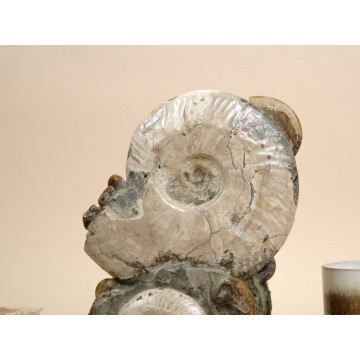
A huge, beautiful coloured Douveilliceras mammilatum from the Albian period, Upper Cretaceous (110 million years) of Mahajanga Province - Madagascar.
A perfect piece for decor, mounted in a handmade wood base.
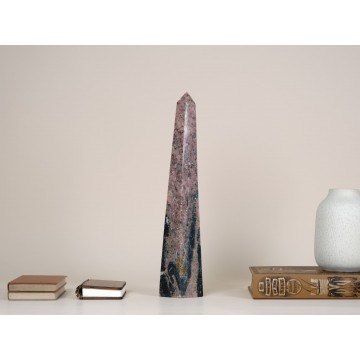
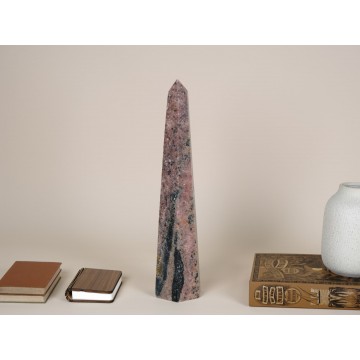
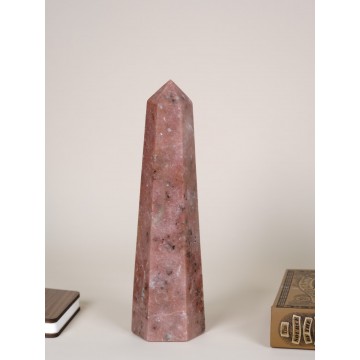
Beautiful red calcite that has been polished into the shape of a six sided obelisk. The base of the obelisk is flat, allowing for aesthetic presentation.
This red calcite was mined from the Norcross-Madagascar orange calcite quarry. This type of calcite likely occurred as a massive conglomerate, formed from mineral rich water solidifying following accumulation as flowstone and/or through precipitative processes.
A great decor item.
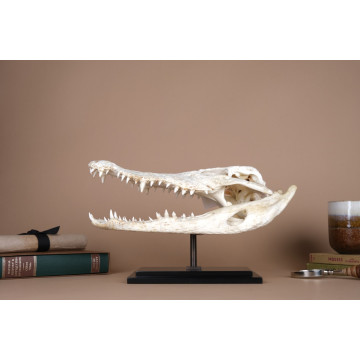
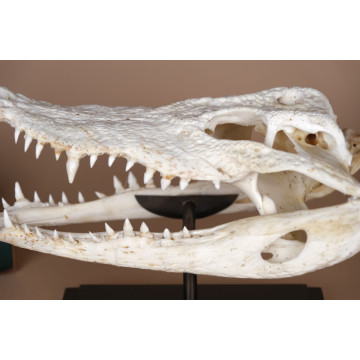
Crocodile Skull (Crocodylus siamensis) from a reputable crocodile farm in Thailand, supplied with its certification. This extraordinary piece, mounted in a black lacquered wood base with a handmade dark brass application, commands attention and exudes a unique charm. With its awe-inspiring presence and impeccable craftsmanship, this crocodile skull adds an intriguing exotic touch to any space.
It comes with a CITES certificate, ensuring its authenticity and responsible sourcing. Embrace the allure of this one-of-a-kind decorative treasure and get in touch with the wild side of life.
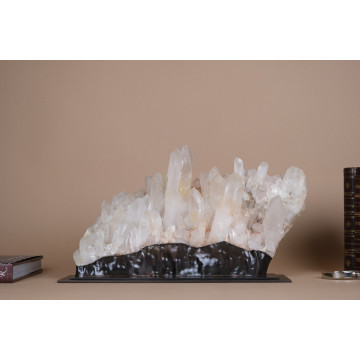
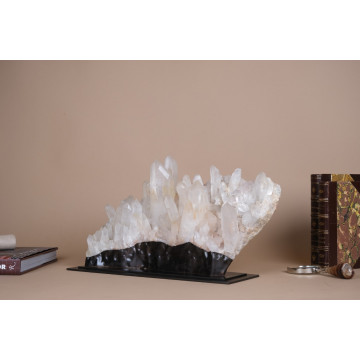
This large quartz crystal, sourced from the famed Shigar Valley in Skardu, Pakistan, features impressive natural points with exceptional clarity and presence. Renowned for producing some of the world’s finest quartz, the Shigar Valley lends this specimen its striking form and powerful visual impact. Carefully mounted on a handcrafted hammered metal base, the contrast between the raw crystalline structure and the textured finish transforms it into a sculptural, one-of-a-kind décor piece.
Traditionally regarded as a stone of clarity and amplification, quartz is believed to enhance energy, promote balance, and support focus and intention, making this piece not only visually compelling but also meaningful within a living or working space.
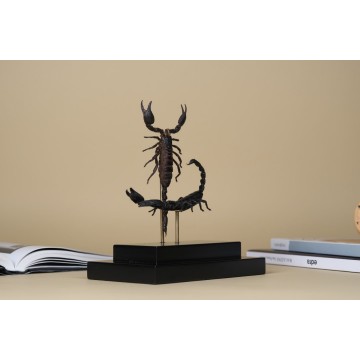
This striking display features two specimens of the Vietnam Forest Scorpion, a species native to the peaty regions of Vietnam, Thailand, and Laos, where they can grow up to 15 cm in length. Known for their aggressive nature, these scorpions are communal but can exhibit cannibalistic behavior if provoked.
The venom of the giant forest scorpion is paralytic rather than lethal and is often distilled for medicinal uses to combat various microorganisms. In Southeast Asia, they are also known as a unique delicacy.
One specimen is displayed in a relaxed posture, while the other adopts a defensive stance, with its stinger poised for action, capturing the essence of their natural behavior. Sourced from Thailand, this piece is an intriguing addition to any collection, merging scientific curiosity with an artful presentation.
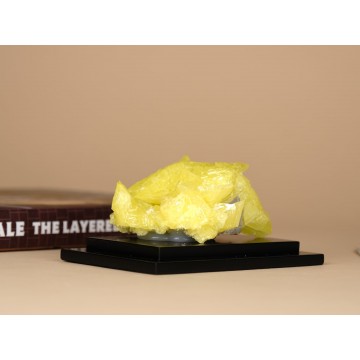
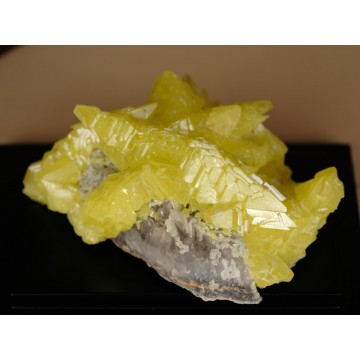
Stunning Yellow Sulfur crystals delicately nestled on a quartz matrix. These perfect, vibrant crystals are the result of meticulous laboratory growth, showcasing both impeccable form and an exquisite hue.
Originating from the Czech Republic, this captivating piece is mounted in a black lacquered wood base.
A true masterpiece of decor, this one-of-a-kind creation adds a touch of unparalleled beauty and uniqueness to any space.
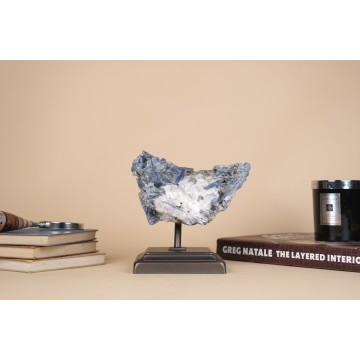
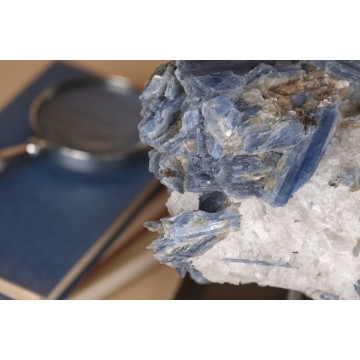
Kyanite, an aluminosilicate mineral, typically graces us with its mesmerizing blue hues. This mineral is often derived from the Greek words 'kyanos' or 'kuanos,' both meaning 'dark blue,' which aptly describes its captivating coloration.
Kyanite finds its origins in aluminum-rich metamorphic pegmatites and sedimentary rock formations. Beyond its inherent beauty, this mineral serves as a valuable resource, playing a pivotal role in the creation of ceramics and abrasives. Geologists treasure Kyanite as an essential index mineral, using it to delineate metamorphic zones and unravel the Earth's geological history.
In addition to its industrial applications, Kyanite reveals its softer, more enchanting side in the world of jewelry. Exceptional specimens yield exquisite gemstones that adorn the finest jewelry pieces, adding a touch of natural elegance to the wearer's style.
This particular specimen boasts oversized and flawless Kyanite crystals set within a matrix of quartz. It hails from the enchanting region of S. José da Safira, Minas Gerais, Brazil, known for producing some of the world's most remarkable mineral treasures. Whether admired for its geological significance, its potential as a gemstone, or simply its sheer beauty, this large Kyanite crystal cluster mounted in a handmade dark brass base, is a testament to the wonders of our natural world.
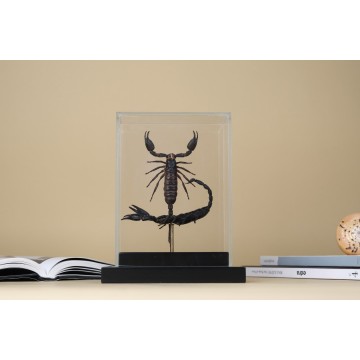
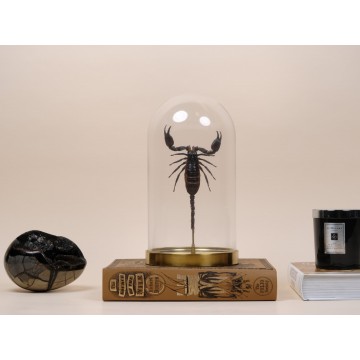
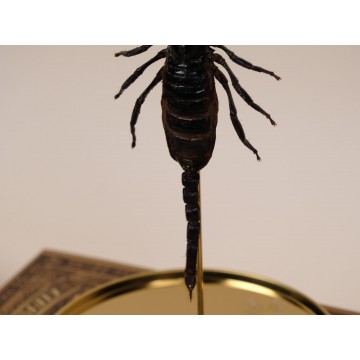
Heterometrus laoticus - Vietnam Forest Scorpion is a scorpion species found in peaty areas of Vietnam and Laos. They can reach lengths of up to 17 cm. They are a communal species, but cannibalism has been known to occur, and if caught, they can be extremely violent even towards their own kind.
Rather than being a lethal toxin, the giant scorpion's venom is paralytic. The venom is distilled into medicines against various kinds of microorganisms. It exhibits good results in disc diffusion assay for Bacillus subtilis, Klebsiella pneumoniae, Pseudomonas aeruginosa, and Staphylococcus aureus, among others.
The scorpion is farmed for consumption as a novelty food in Vietnam and Thailand. They are also used to make snake wine (scorpion wine).
This one is from a farm in thailand, mounted in a glass dome.
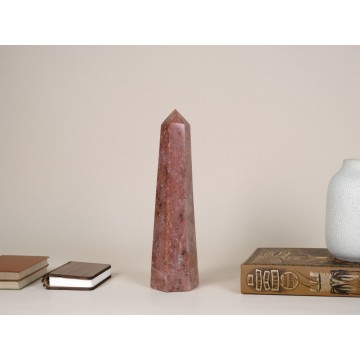
Beautiful red calcite that has been polished into the shape of a six sided obelisk. The base of the obelisk is flat, allowing for aesthetic presentation.
This red calcite was mined from the Norcross-Madagascar orange calcite quarry. This type of calcite likely occurred as a massive conglomerate, formed from mineral rich water solidifying following accumulation as flowstone and/or through precipitative processes.
A great decor item.
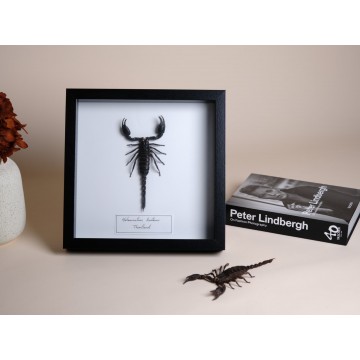
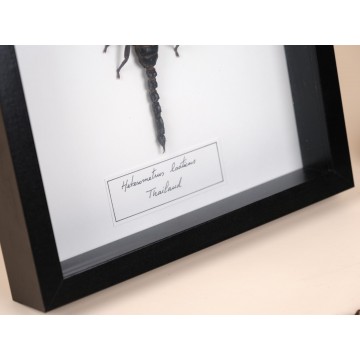
Heterometrus laoticus - Vietnam Forest Scorpion is a scorpion species found in peaty areas of Vietnam and Laos. They can reach lengths of up to 17 cm. They are a communal species, but cannibalism has been known to occur, and if caught, they can be extremely violent even towards their own kind.
Rather than being a lethal toxin, the giant scorpion's venom is paralytic. The venom is distilled into medicines against various kinds of microorganisms. It exhibits good results in disc diffusion assay for Bacillus subtilis, Klebsiella pneumoniae, Pseudomonas aeruginosa, and Staphylococcus aureus, among others.
The scorpion is farmed for consumption as a novelty food in Vietnam and Thailand. They are also used to make snake wine (scorpion wine).
This one is from a farm in thailand, mounted in a frame.
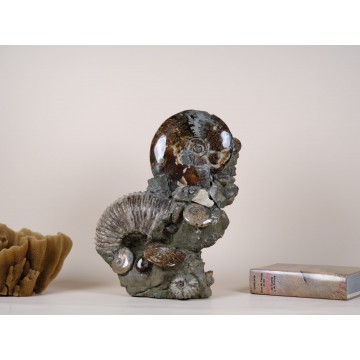
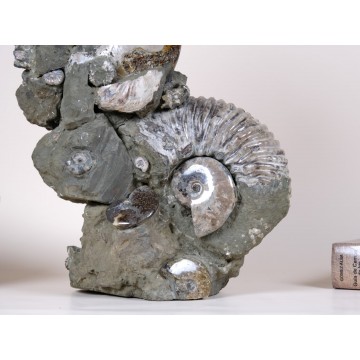
Cretaceous Albian period (100 to 145 million years) from Madagascar.
Spectacular big size opalized Cleoniceras group with other ammonite specie.
One of a kind decor piece!
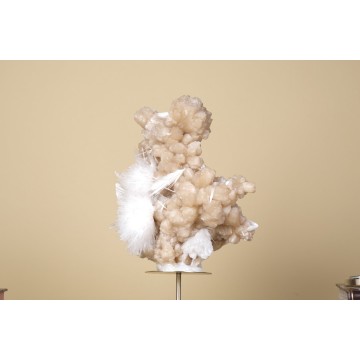
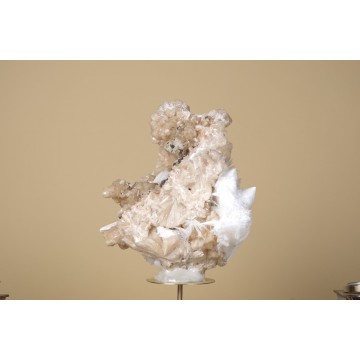
An exceptional museum-class specimen of Scolecite on Stilbite, featuring large, lustrous acicular sprays of scolecite crystals on a pink stilbite matrix. The scolecite crystals boast glassy, translucent to transparent terminations, creating a truly striking display. This piece originates from the Nasik District, Maharashtra, India, and is preserved in a glass dome to protect the delicate scolecite crystals, enhancing its visual appeal while maintaining its fragility.
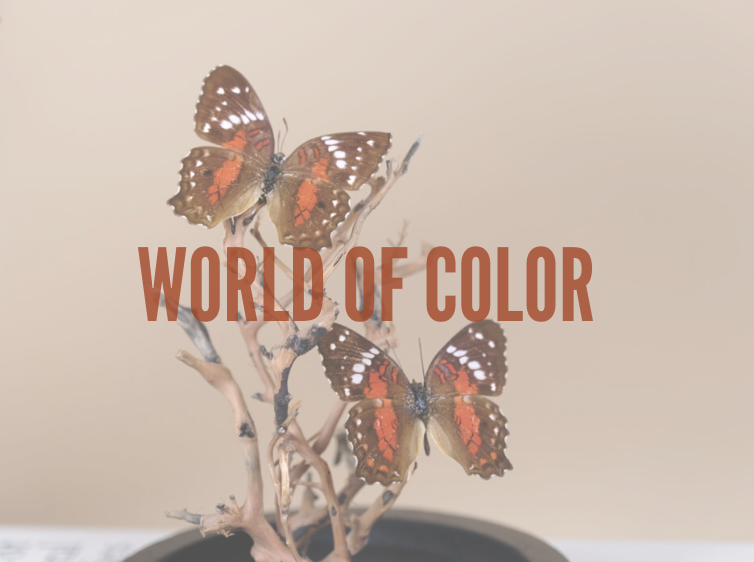
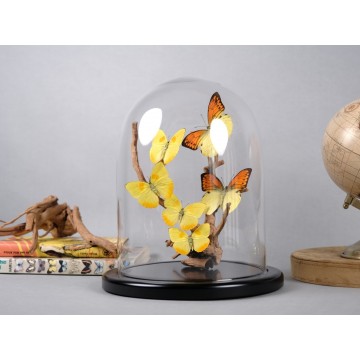
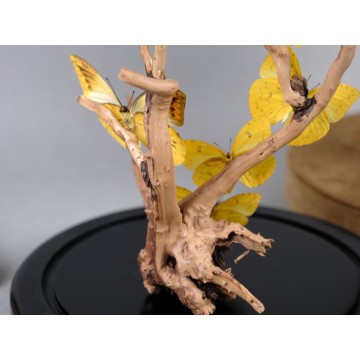
A high quality handmade glass dome with four Phoebis philea - the Orange-barred sulphur, is a species of butterfly found in the Americas, these ones are from Peru. The species eats nectar from red-colored plants and the larvae feeds on Cassia species. Mounted in a Red Moor wood piece, previously treated and harmless, for the security and prevention of any bacterial problem, it is also presented two Hebomoja glaucippe from Thailand - this particular species presents glacontryphan-M in the wings, a peptide toxin belonging to the family contryphan that is an active constituent of the poisonous venom produced by cone snail (genus Conus). In the Hebomoia glaucippe this toxin works as a defense against predators.
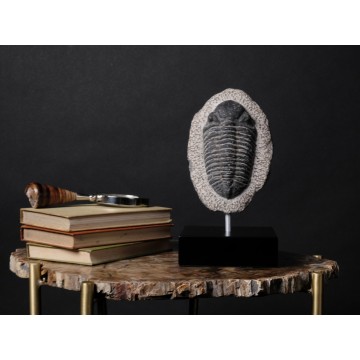
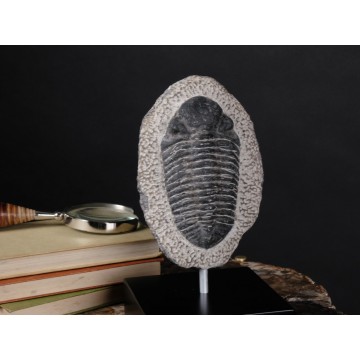
Phacops sp. from the Middle Devonian period ( 395 million years ) of the Djebel Issoumour area, Atlas Mountains - Morocco.
Prepared and restored, excellent for beginner collectors or as decor piece, in a black lacquered wood base.
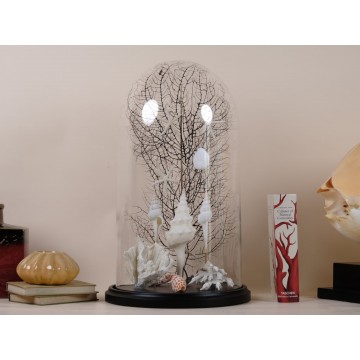
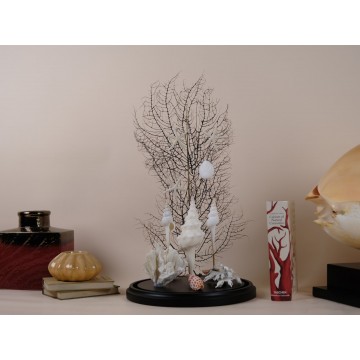
Marine life glass dome composed by: small Gorgonia from de Indo-Pacific, one coral Montipora sp., two Fusinus colus, one Fusinus undatus from Balicasag - Philippines, three Mitra mitra from Punta Engaño - Philippines and one beautiful Xenophora pallidula from deep water of Davao - Philippines.
Also three white sea stars and one sea bisquit all from Caribbean Sea.
One of a Kind handmade piece!
A big size perfect Festilyria festiva from Somalia.
A classic rarity, very hard to get in this size and condition, for the serious collector or for decor beautiful shell.
Kambamba Jasper bowl, from Kambamba – Madagascar.
Spectacular green and black eyes pattern with “swirling” colours it is a very sought piece! Kambamba Jasper, also known as Kambamba Stone, Crocodile Jasper or Green Stromatolite Jasper - due to its colour and pattern - is an extremely old stone dating back to 3 billion years ago.
Nowadays it is considered a fossil classified as a stromatolite because of the fossilised algae that created this mineral.
Kambamba is a very energizing stone which activates our root and heart chakras, achieving an emotional balance throughout the day.
One of a Kind piece!
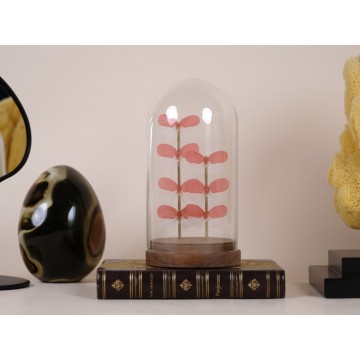
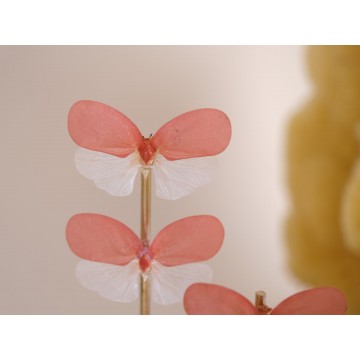
Flata rubra is not a butterfly is a Flatidae, the only species of this peculiar family, from Thailand.
Seven specimen in a glass dome, the contrasted colors are beautiful, however is very difficult to prepare these species due to the delicate bodies and wings.
A unique chance to get this amazing One of a Kind piece.
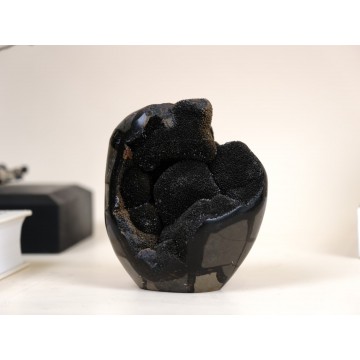
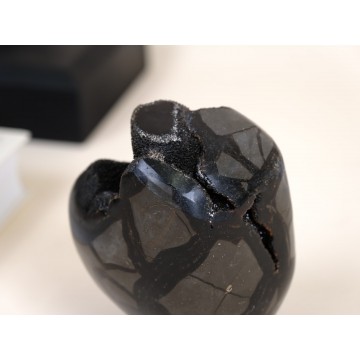
This beautiful septarian egg from Madagascar shows its interior crystallization in contrast with exterior colors.
Septarias are prehistoric marine nodules of bio sedimentary origin followed by dehydration during diagenesis, which today are found as large pebbles in clay soil. The creation of a Septarian is a succession of events along millions years, they form around a core of organic matter (plant or animal).
Sediments continue to settle on the nodule, compacting it under their weight which will flatten it and expel water, while inside micro-cracks begin to form, amplified by tectonic movements. It is in these shrinkage slots that over time dissolved minerals will crystallize.
Its name comes from the Latin "septum" which means partition, barrier, indeed, the polishing of the nodule reveals and sublimates its elegant marbling of black calcite, millions of years that offer these sumptuous minerals, each piece is unique!
Nine Gorgonocephalus specimen showing several variations displayed in a glass vitrine with black lacquered wooden base.
Gorgonocephalus - Astrospartus mediterraneus is a fantastic deep sea starfish.
These ones have been taken from a deep of 90 meters of Capo Vado, Savona Italy. It is necessary a special technique to dry and to keep it in a perfect shape, turning it a highly decorative and curious species. Sometimes they are attached to sponges and deep water corals.
This species habits until deeps of 800-900 meters.
An outstanding unique dramatic piece, handmade by One of a Kind.
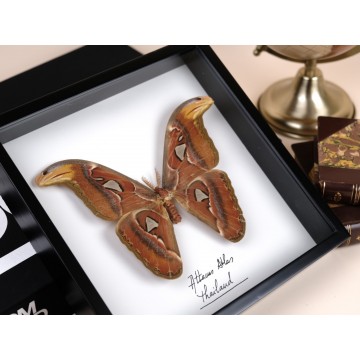
Attacus atlas, the Atlas moth, is a large saturniidae moth endemic to the forests of Asia. One of the largest lepidopterans, with a wingspan measuring up to 24 cm (9.4 in).
This beautiful species came from Thailand.
This is a unique and complex Calcite mineral group with a Travertino/Agate-like formation, featuring beautifully colored layers. Sourced from Yunnan Province, China, this piece is truly one-of-a-kind.
Mounted on a handmade dark brass base, making it a stunning addition to any collection.
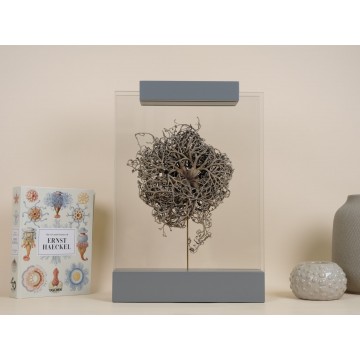
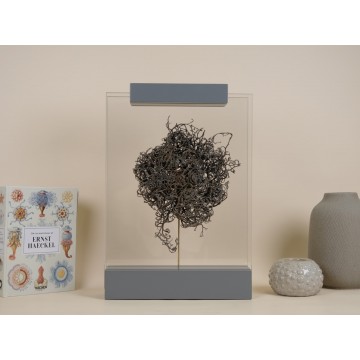
Gorgonocephalus - Astrospartus mediterraneus, a fantastic deep sea starfish, in a new design vitrine with grey lacquered wood base.
This one is taken from a deep of 90 meters of Capo Vado, Savona Italy. It is necessary a special technique to dry and to keep it in a perfect shape, turning it a highly decorative and curious species. Sometimes they are attached to sponges and deep water corals.
This species habits until deeps of 800-900 meters.
A One of a Kind handmade piece.
Cretaceous Albian period (100 to 145 million years) from Madagascar.
Spectacular big size opalized Cleoniceras group with other ammonite specie.
One of a kind decor piece!